SRC Marañón

The Students for Rivers Camp (SRC) on the Marañón took place from August 10th to 24th, 2025. We brought 14 university and postgraduate students together with more than a dozen experts representing a wide range of disciplines related to river conservation across Peru and Latin America. For one week, we floated 145 kilometres of the Marañón River, meeting with local communities living in the canyon, attending workshops and discussions led by our experts, and connecting deeply with this special place and its people.

Support:

Patagonia logo
Date: 10th – 24th August 2025
Place: Marañón River, Peru

What is the Marañón SRC?

This edition of the Students for Rivers Camp was attended by impressive participants and experts with diverse experiences and interests. We had 10 students from across Peru, representing five different regions, and four international students from Ecuador, Mexico, France, and Germany. Their academic backgrounds ranged from communications and journalism to entomology, water quality engineering, anthropology, and human–nature connection studies.

Among our experts, we also had a rich diversity of backgrounds and origins. While most presenters and facilitators came from across Peru, others joined from Chile, Colombia, France, and the United States. The organising team represented the Netherlands, Botswana, and the United States. We had journalists, lawyers, activists, engineers, artists, and biologists, all sharing their knowledge and experience. This mix of disciplines and perspectives — among both students and experts — made it possible to bridge divides in conservation and to focus on shared goals, in this case, the protection of a free-flowing Marañón.

Find a recap of the Students for Rivers Camp in this storymap: https://storymaps.arcgis.com/stories/03c5082f424741349dfe08376fa5a608 and a final report in the download below.

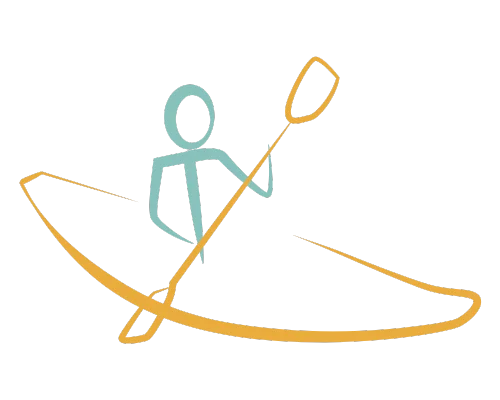
Students for Rivers camp drawing by Vera Knook

The River

The Marañón River, often hailed as the “hydraulic source” of the Amazon, emerges in the Andes, traversing more than 1700 kilometres while winding through two embracing mountain ranges. Along this journey, it erodes sediment from the youthful mountains and conveys vital nutrients into the Amazon basin. This dynamic interplay of river and terrain spawns diverse ecosystems, with the seasonally tropical dry forest being particularly notable for hosting numerous endemic species. Ancient rock art tells the story of hunters and gatherers dwelling in the valley and pre-Incan ruins pose questions about the role of the river in ancient times.

River Collective Ripple Projetcs drawing by Vera Knook

In recent years, the Marañón faced grave threats from proposed dam projects. While the collective efforts of local communities and dedicated NGOs have temporarily thwarted these projects, new investments and ongoing perils from mining and oil spills persist. This juncture presents an opportunity to secure the river’s protection for future generations.

Conservamos por Naturaleza, an esteemed NGO based in Lima and operating under the Peruvian Society for Environmental Law (SPDA), is on a mission to establish legal safeguards for the Marañón and other Amazonian rivers. In partnership with The Nature Conservancy, they are actively crafting a comprehensive law, mirroring the success of their “Hazla por tu Ola” initiative to protect surf breaks along the Peruvian coast. The legal framework they envision will serve as a pioneering model for Amazonian river conservation.

Marañón SRC Program

Over the course of two weeks, including one full week rafting down the river, the group formed a strong community of learning and exchange. Each student participated in a focus group that analysed the river and the communities we encountered. During a three-day retreat in Cocachimba, participants reflected on their experiences through natural sciences, social sciences, and interdisciplinary lenses. These reflections later evolved into project ideas that connect research, art, and activism.

The program concluded with a series of public events in Chachapoyas, the capital of the Amazonas region. An open-air cinema night in one of the city’s main plazas featured Karuara – The People of the River, a film exploring the cosmovision of the Indigenous Kukama people further downstream. The following day, students and experts presented their project ideas at a Conference for the Marañón, attended by local politicians, NGOs, and citizens. That evening, we celebrated through a cultural and artistic festival organised in collaboration with the music collective Aves Migratorios, blending science, art, and community in one shared call to protect the river.

Students for Rivers camp drawing by Vera Knook

Spread the Word

Below you can see the poster that we used to gather a group of participants with diverse backgrounds! This poster was designed by Daniela de los Ríos (what a perfect name! Find her on Instagram, email or website), can be downloaded here (Spanish version on the Spanish page) and is free to use.