Support:

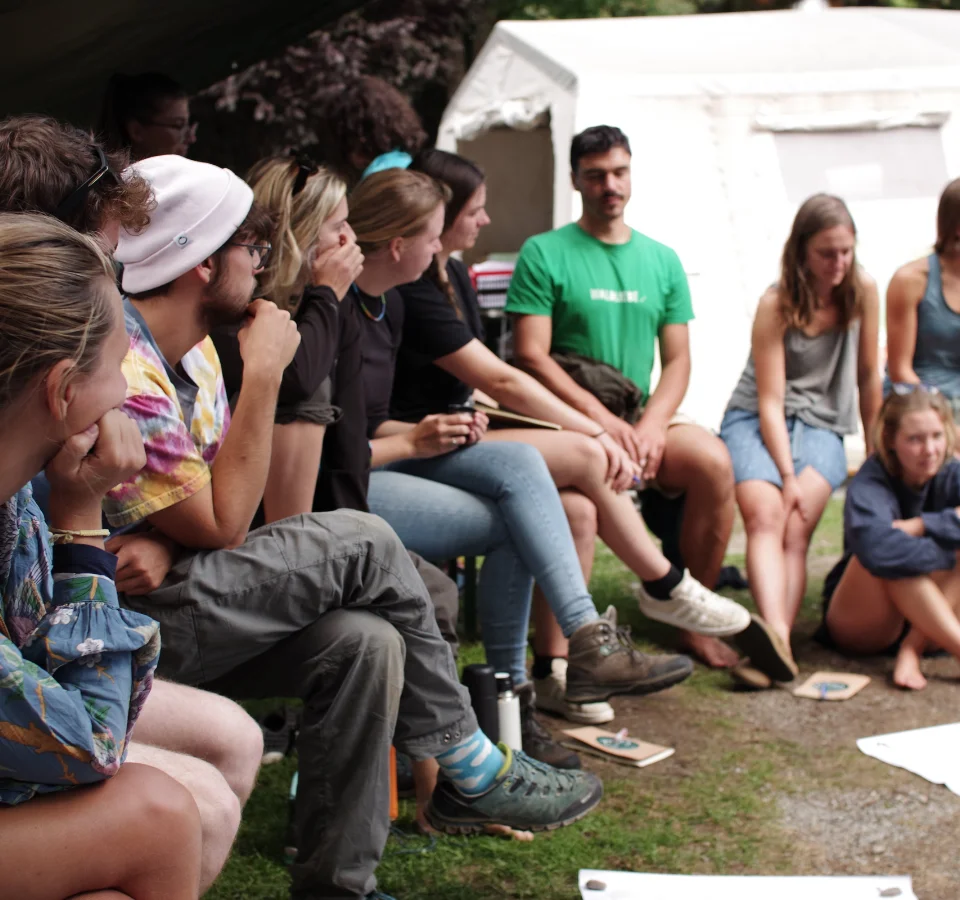
The River Collective will bring together 25 bachelor, master and PhD students from all over the World, from many different disciplines to the Tagliamento river in Italy. Together with local experts, activists and river enthusiasts, students will explore the river, learn about the threats it faces and work on creative conservation solutions. They will gain the confidence to use their own skill and talents to give voice to the rivers and recognize that activism can take many forms and, whether through art, creative ideas, design, storytelling, science, engineering or other disciplines anyone can find a unique way to contribute.
The River Tagliamento is facing existing and looming threats of water and gravel extraction, flood-protection infrastructure and dam projects. The Tagliamento is considered the last free-flowing river in the Alps and is a reference system for Alpine rivers. In the global context, preserving the Tagliamento is vital for the conservation of the European river network. Guided by a multidisciplinary team of experts, students will learn how to be a voice for the Tagliamento, to protect its free-flow, ecosystems and communities. Through art, storytelling, science and much more we will build a robust network of advocates for the Tagliamento and contribute to the growing network that exists currently within the River Collective.

The Tagliamento river is considered the last free-flowing river in the Alps. It flows 178 kilometres from the Mauria Pass in the Alps to the Gulf of Venice in the Adriatic Sea. The Tagliamento connects Alpine and Mediterranean biomes, playing a major role in the transport of sediment due to torrential rainfalls, steep slopes and extensive sources of sediment. Its large floodplains contain a mixture of aquatic and terrestrial habitats.
The Tagliamento is a reference system for Alpine rivers and parts of it are supposed to be protected under the EU Habitats Directive and Birds Directive. However, the river faces multiple threats. There are looming threats of anthropogenic infrastructure such as dams and flood prevention structures. Additionally, water and gravel extraction are ongoing threats to the river’s natural hydrogeological processes and ecosystem functioning


The Students for Rivers Camp is open for all university students, at undergraduate or postgraduate level, from all fields of knowledge.
Regardless of whether you have already worked on river conservation or not, as long as you are passionate about the natural world and wish to learn more and get involved in your own way we would love to see you at the Tagliamento.
River conservation needs collaboration from all sectors, and we aim to reflect this in the camp participants and team.
During a week-long camp students will explore the Tagliamento valley and visit multiple locations along the river. They will attend lectures and participate in workshops such as river mapping and bio-blitzing right there in the field. We will look at different angles of river conservation such as science, art, photography, policy and activism. The program is designed to connect these disciplines and engage students in thinking about new and creative ways to get involved in river conservation.

400 EUR (possible full or partial scholarships available)

We do not want your financial situation to prevent you from participating in the SRC. If you are not able to pay the contribution or need support financing your travel arrangements, please let us know in the application form. We are working hard to secure some scholarship options for you.
Through the form below you can apply for the Students for Rivers Camp. We ask you a few questions and your answers help us select a diverse, motivated group of students. We look forward to hearing from you!
The applications close on March 15st.

Please feel free to share our wonderful poster created by Eleonora Volpe @visceralvisions111
Also, follow us on social media to get all of the future updates on the SRC Tagliamento as well as our other projects:
Instagram (@therivercollective), Facebook (@rivercollectiveriver), or LinkedIn (@collectiveriver).